
Smart Energy Plus 2026 showcases energy technologies amid startup market barriers
The Smart Energy Plus 2026 exhibition in Seoul highlighted advanced energy solutions for power grids, AI data centers, and smart mobility, while revealing the high entry barriers facing energy startups.
The Smart Energy Plus 2026 expo was held from October 28 to 30 at COEX Hall B in Seoul, featuring technologies for data centers and EVs. While major companies like HD Hyundai Electric and Doosan Enerbility showcased large-scale facilities, early-stage startups faced market entry barriers due to the tens of billions of won required for capital and production bases.
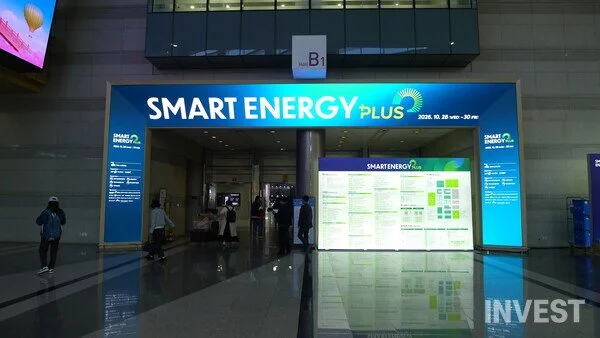
Smart Energy Plus 2026 was held from October 28 to 30 at COEX Hall B in Samseong-dong, Seoul. Hosted by the National Assembly Hydrogen Economy Forum and organized by Money Today and COEX, the event was designed as South Korea's only convergence energy industry expo. It addressed the surge in power demand driven by the expansion of AI and the pursuit of national carbon neutrality goals, covering power generation, transmission and distribution, distributed energy resources, and IT-based energy efficiency technologies.
The organizers promoted industrial exchange to transition traditional energy supply systems toward a focus on data and intelligent software, while participating companies operated booths to promote technologies and build partnerships.
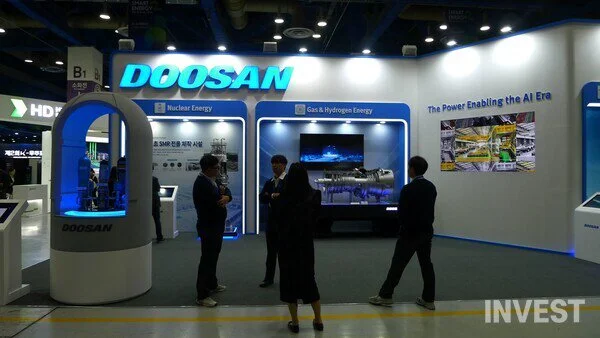
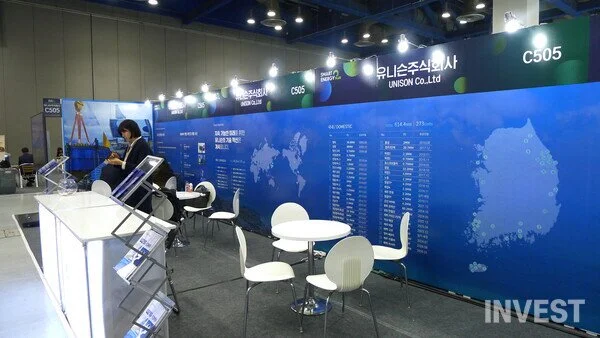
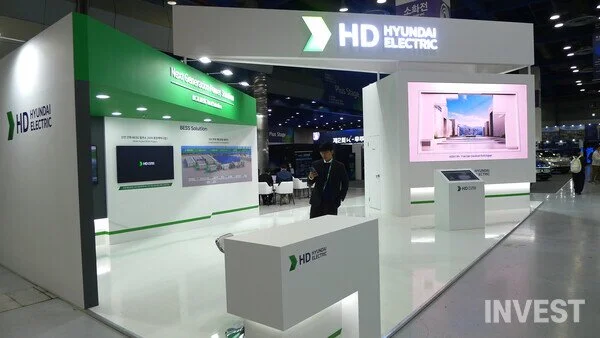
The main exhibition paths featured booths from specialized power equipment and power plant companies, including HD Hyundai Electric, Doosan Enerbility, and Unison. HD Hyundai Electric introduced large-scale grid stabilization technologies through a model of the Battery Energy Storage System (BESS) project in Anjwa Island, Sinan County, and eco-friendly Gas Insulated Switchgear (GIS) solutions. Doosan Enerbility presented solutions for the AI data center era, including dedicated manufacturing facilities for Small Modular Reactors (SMR) and gas turbine-hydrogen linked power generation technologies, while Unison highlighted its track record in large-scale domestic and international wind farms.
Building the large-scale facilities and integrated power solutions introduced by these companies requires investments exceeding tens of billions of won, alongside meeting strict safety standards and securing years of empirical data. These requirements for capital, equipment, and verification act as barriers to entry for early-stage companies lacking sufficient capital and production bases from entering the market with their own solutions.
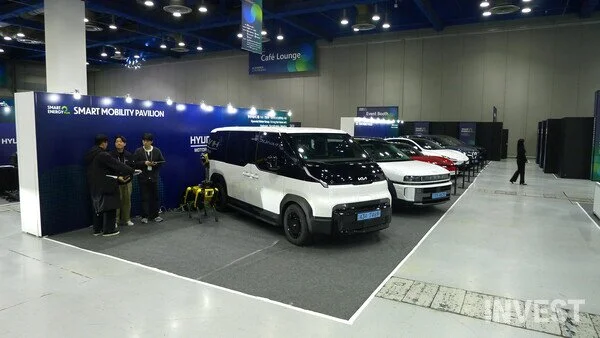
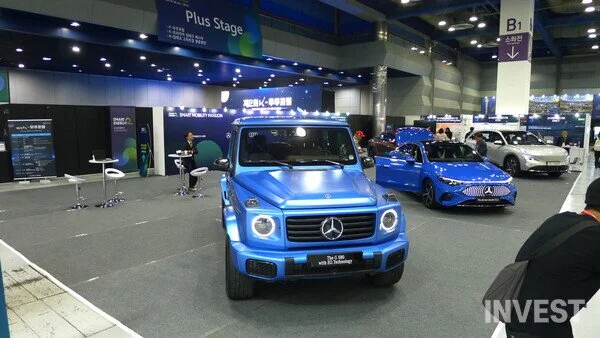
While the power generation and equipment booths emphasized large-scale facilities and business performance, the Smart Mobility Pavilion, which included Hyundai Motor Group and major automotive brands, drew visitor interest by displaying actual vehicles and robots. Kia's PV5, an electrified Purpose Built Vehicle (PBV) model, was displayed alongside electric SUVs and sedans, and Boston Dynamics' quadruped robot Spot was positioned to introduce electrification technologies being applied to daily life and industrial sites.
The current scope of electrified vehicle use extends beyond mere transportation. Through Vehicle-to-Everything (V2X) technology, which allows power stored in vehicle batteries to be supplied to external devices, homes, or the power grid, vehicles can function as mobile energy storage systems. As the use of electric vehicles and robots increases, power demand management is becoming more granular, reflecting the usage and operating conditions of charging stations, individual vehicles, and field devices.
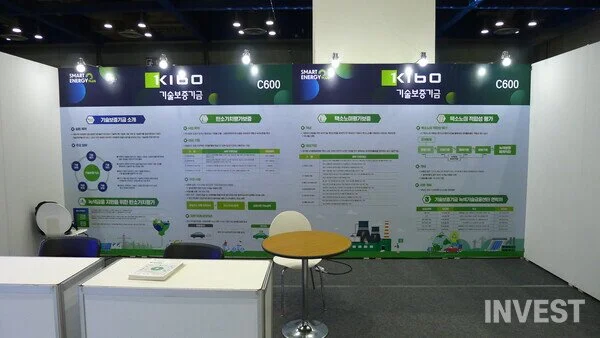
Booths providing information on financial support systems for small and medium-sized enterprises (SMEs) and venture companies were also available. Korea Technology Finance Corporation used an independent booth to promote carbon value assessment guarantees, special guarantees linked to the K-Taxonomy, and green finance support systems. While the booth served to explain guarantee and assessment systems for companies possessing energy transition and carbon reduction technologies, it was difficult to find booths from pure energy startups that could utilize these services within the exhibition hall. There was also a lack of participation from early-stage deep-tech companies that meet the advanced assessment indicators and qualification requirements.
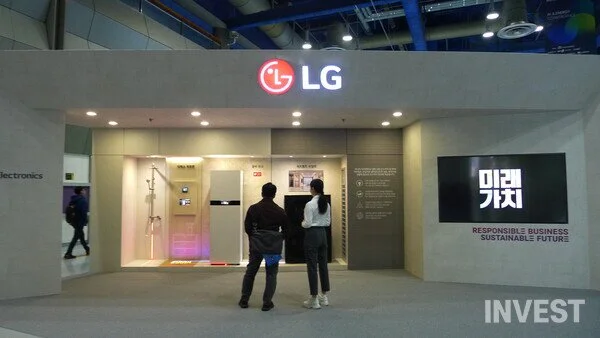
At the LG Electronics booth located on one side of the exhibition hall, energy-saving systems such as heat pump-based heating, cooling, and ventilation, as well as water treatment solutions, were displayed. Data center thermal management and Building Energy Management Systems (BEMS) were also addressed as major agenda items.
To reduce energy consumption and increase the operational efficiency of facilities in this manner, technologies that measure and control the status of individual processes and devices are required. Examples include high-precision sensors that detect minute power leaks, waste heat recovery and thermal management optimization algorithms, and automation software that controls indoor temperature and humidity. Unlike the construction of power generation facilities, which requires large-scale capital and production bases, these fields can be approached through the development of individual components or software. Since the speed of technology development and field application is more important than the scale of facility investment, this is an area where startups can seek business opportunities.
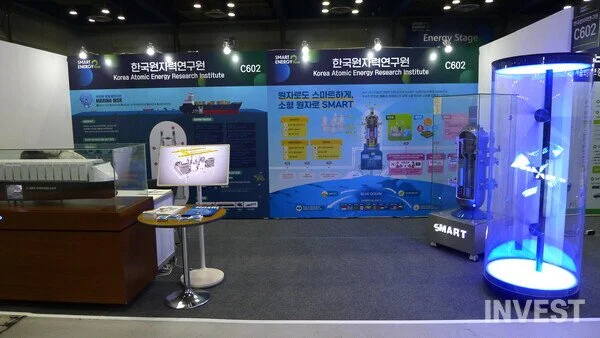
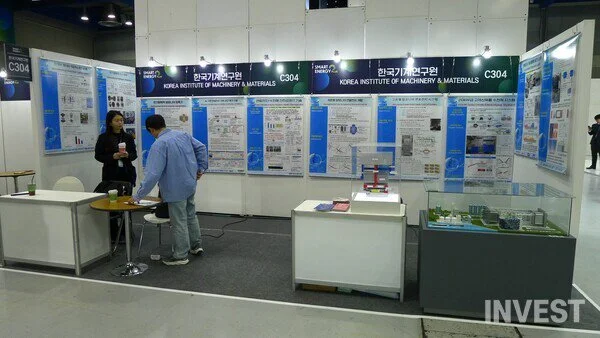
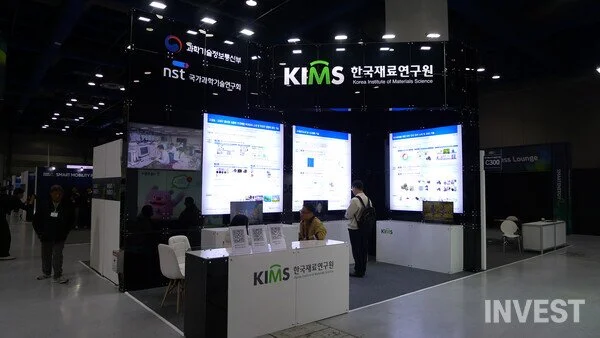
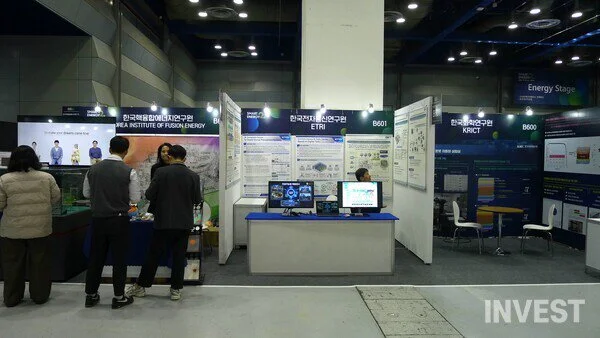
The original technologies that can be utilized for component and software development were exhibited at the public research institute booths. The Korea Institute of Materials Science (KIMS) presented non-precious metal material and electrode technologies for anion exchange membrane water electrolysis, solid cooling materials, and secondary battery electrode material technologies. The Korea Institute of Machinery and Materials (KIMM) showcased ammonia fuel cell systems and high-temperature steam electrolysis (SOEC) technology, while the Electronics and Telecommunications Research Institute (ETRI) presented AI composite sensors and digital twin-based carbon management systems. The Korea Institute of Fusion Energy and the Korea Research Institute of Chemical Technology also introduced basic research achievements and process innovation technologies. Startups lacking their own R&D infrastructure can pursue product commercialization through technology transfer and joint R&D with research institutes.
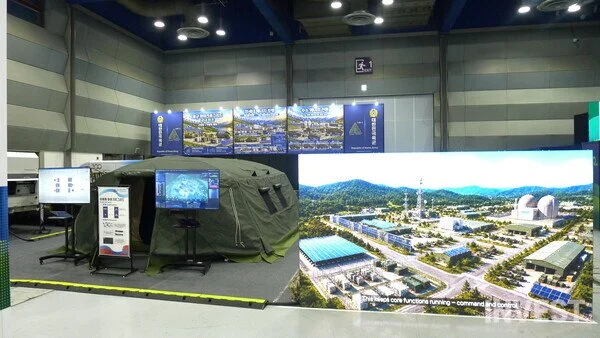
At the Republic of Korea Army booth, equipment and control systems required for power supply at operational sites were exhibited. Along with field command tents, mobile microgrid control systems, vehicle-mounted energy storage systems (ESS), and hydrogen fuel cell power generation vehicles were deployed, attracting the interest of visitors. Through this equipment, the Army introduced methods to stably supply the power necessary for command and control and unmanned system operations at tactical operational sites separated from the power grid. This is an attempt to apply independent distributed power sources that combine solar, hydrogen, and ESS to the existing military supply system that relied on diesel generators, serving as an example of the defense and special-purpose industry utilizing energy technology under conditions different from civilian power generation and industrial facilities.
Smart Energy Plus 2026 was a venue that demonstrated that not only the technologies to be developed by early-stage companies but also the facilities and demand sources to which they will be applied must be reviewed together. The large-scale power generation market, which requires tens of billions of won in facility funds and business performance, is difficult for startups to enter directly. For the survival and growth of early-stage companies, a strategy is needed to focus on core components and software required for existing infrastructure rather than the large-scale facilities themselves. Examples include IoT sensors that measure the efficiency of power plants and data centers built by large corporations, components applying new solid cooling or electrolyte materials from public research institutes, and independent distributed power management algorithms required by the public and defense sectors, such as the Army.
To materialize these technologies into businesses, one must go beyond merely touring large booths centered on finished products and instead identify cooperation conditions and market entry requirements. For prospective entrepreneurs and early ventures, practical B2B partnership-building activities, such as meetings with technology transfer officers at research institutes, consultations with support agencies regarding regulatory sandboxes, and checking the supplier registration requirements of large corporations, are important.
Covers Careers & Events for INVEST NEWS GLOBAL, and also writes about Education & Events.
Comments 0
Comments are currently disabled.