
2026 Korea ESG Eco Expo showcases decarbonization technologies from recycled materials to carbon accounting
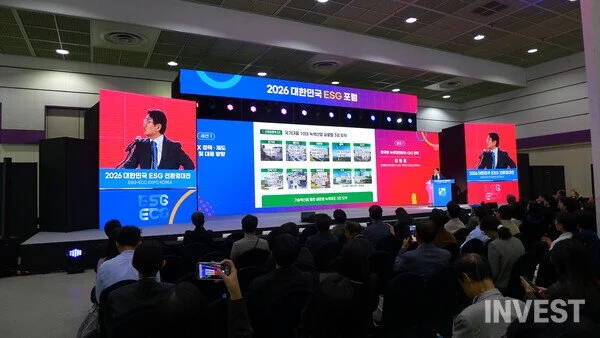
The 2026 Korea ESG Eco Expo, held at COEX in Seoul, showcased a wide range of green technologies and solutions aimed at driving the green transformation (K-GX). The event featured everything from resource circulation and recycled materials to AI-driven carbon accounting and low-carbon manufacturing processes.
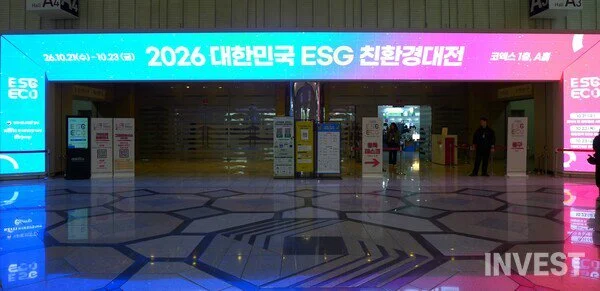
The '2026 Korea ESG Eco Expo' was held from October 21 to 23 at COEX in Gangnam-gu, Seoul. Hosted by the Ministry of Climate, Energy and Environment and organized by KEITI, the event marked its 22nd year since its inception in 2005. The expo was designed to promote the green transformation (K-GX) through cooperation between the government, public institutions, and industry, while supporting the commercialization and market expansion of green technologies.
The organizers supported the decarbonization efforts of domestic companies through institutional guidance and technology matching. Participating companies showcased self-developed eco-friendly solutions, seeking opportunities for business-to-business (B2B) sales and entry into the government procurement market.
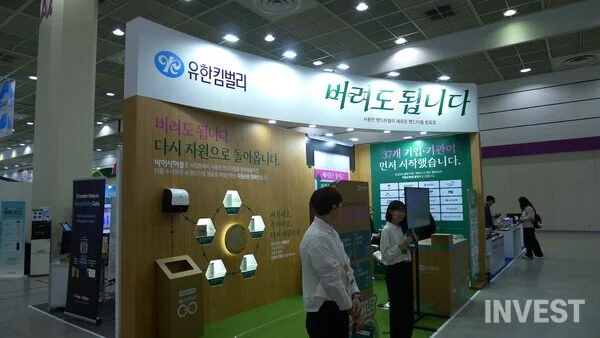
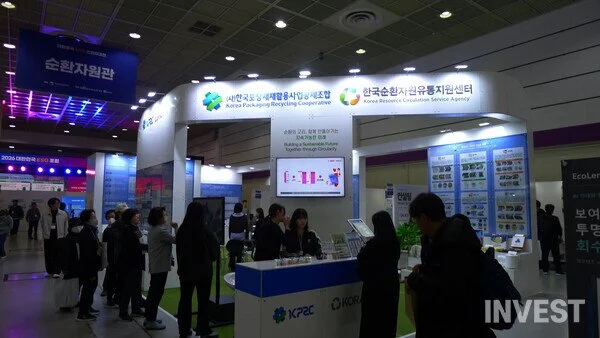
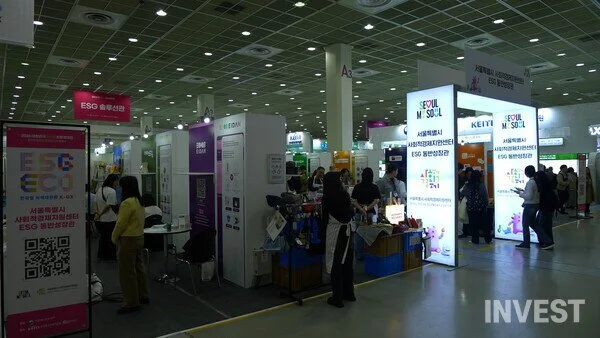
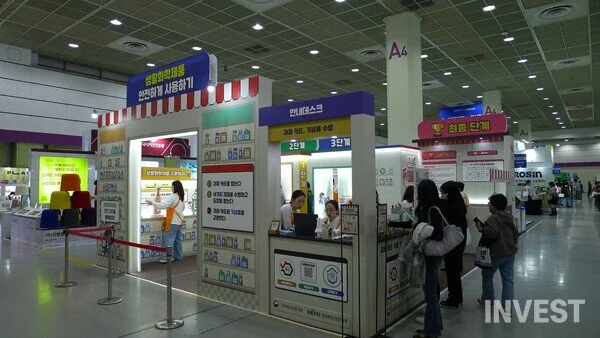
In the resource circulation sector, business models were introduced that recover, sort, and process not only waste plastics but also various industrial wastes and packaging materials for sale as products. The Korea Packaging Recycling Cooperative and the Korea Resource Circulation Distribution Support Center demonstrated the recovery and separate discharge processes for packaging waste, explaining the flow of waste being reused as raw materials.
In the private sector, Yuhan-Kimberly highlighted a circular platform business that recycles hand towels used at workplaces by separating them for use as raw materials for new products. Various product sales cases were presented, ranging from daily necessities using recycled plastics to industrial recycled pellets and new material components. This provided a look at the current status of productization in resource circulation technology, alongside the price competitiveness and quality stability required for market supply.
Technologies for improving production facilities to reduce carbon emissions at manufacturing sites and cases of applying new materials were also prominent. Exhibited items included low-carbon engineering plastics and functional chemical materials used in the manufacturing processes of high-performance components for the automotive and electrical/electronic sectors, as well as eco-friendly compounding technology that replaces raw materials derived from fossil fuels. Additionally, the expo featured automated equipment that uses AI autonomous robots to collect floor waste at livestock and manufacturing sites to turn it into biomass and solid fuel pellets, as well as carbon accounting management systems that collect and measure greenhouse gas emission data at production sites in real time and link it to emission rights.
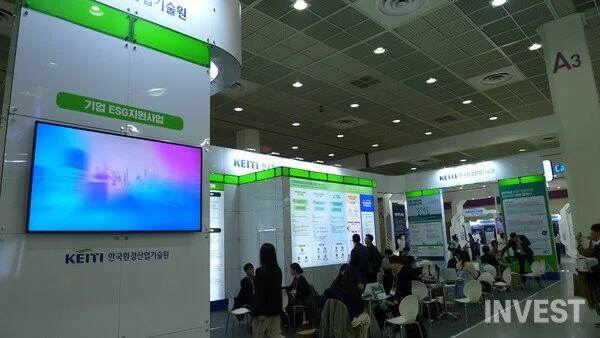
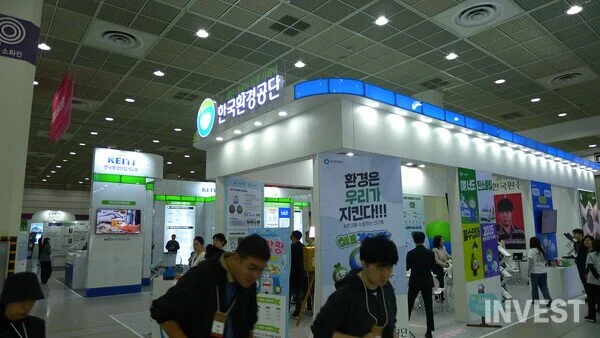
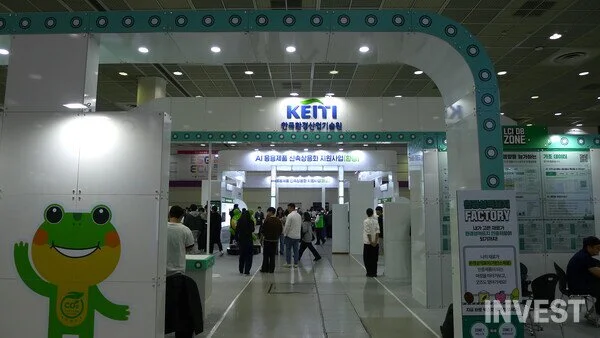
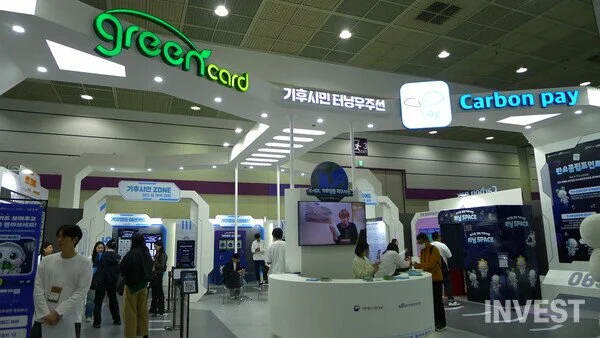
The booth configuration was characterized by a focus on public institutions and support organizations. At a large booth, the Korea Environment Corporation provided information on public carbon emission reduction projects and eco-friendly practice policies, while KEITI prominently featured the Environmental Product Declaration (low-carbon product) certification system and the rapid commercialization support project for AI-applied products.
The Seoul Social Economy Support Center established a shared growth pavilion to support market access for early-stage social enterprises and eco-friendly social ventures. Policies available to companies, such as public procurement support, green finance consulting, and research and development (R&D) support projects, could be reviewed in one place. However, because the core movement paths were primarily composed of spaces for promotion and institutional guidance by associations and affiliated agencies, the booths of private companies focused on technology were relatively less emphasized.
This exhibition structure leaves a challenge to increase the participation of private ESG specialist companies that can respond to regulatory changes, such as mandatory global climate disclosures and the Carbon Border Adjustment Mechanism (CBAM). If participation increases from companies possessing advanced technologies—such as Carbon Capture, Utilization, and Storage (CCUS), renewable energy power infrastructure, and AI-based Life Cycle Assessment (LCA)—the scope of consultation with companies looking to adopt such technologies can also expand. To evolve beyond government-led institutional explanations and consumer-goods-centered resource circulation exhibitions into a B2B platform where large corporations and technology startups discuss decarbonization across the entire supply chain, differentiated measures are needed to attract advanced climate-tech solution companies.
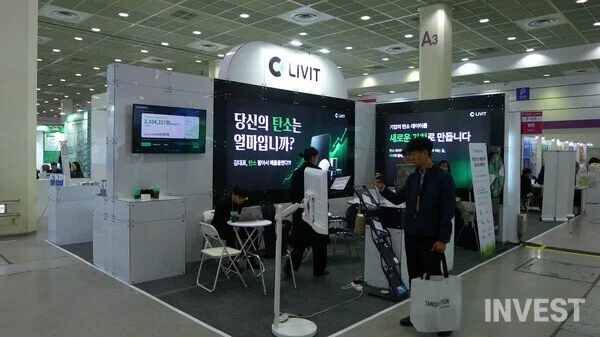
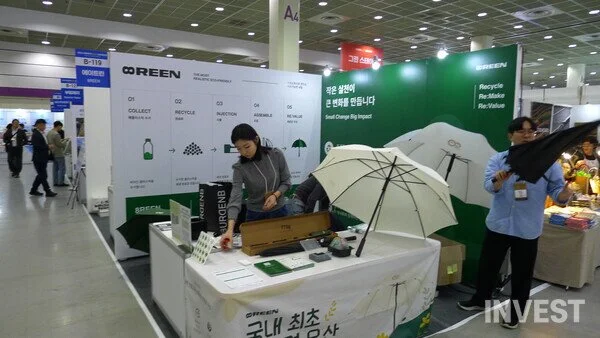
The exhibition of finished products based on recycled materials set up within the exhibition hall was a space where visitors and buyers could directly examine the market applicability of products. By presenting both the physical and chemical circulation processes of recovering discarded resources to create new products and the resulting outputs, it demonstrated the flow of how recycling technology leads to finished product production and distribution. A wide spectrum was exhibited, from design products that highlight the unique textures of waste materials to industrial recycled raw materials requiring high physical properties, contributing to verifying the field applicability between material development companies and buyers seeking to adopt them for finished product manufacturing.
An official from a solution participant met on-site said that while operating the booth, they felt the changes in demand from corporate customers. They stated, "In the past, inquiries were mainly for eco-friendly marketing or enhancing brand image, but this year, there was a concentration of visits from corporate working-level staff asking for specific technical specifications and solution unit prices, such as electricity consumption reduction figures in the process, the impact on supply chain assessment according to the raw material recycling ratio, and whether data can be linked for use in actual statutory disclosure systems." They added, "An atmosphere is being created in the market where it is difficult to conclude supply contracts in the B2B market without standardized quantitative data linked to public certifications."
This exhibition served as a place where early-stage startups attempting to enter the eco-friendly and ESG industries could check regulatory and certification requirements. In the eco-friendly field, commercialization is impossible through the excellence of an idea alone; one must also review eco-labels, low-carbon certification standards, relevant licensing requirements, and supply chain emission management systems. Early-stage companies need to seek initial sales channels by utilizing the environmental R&D support projects and public procurement consultation sessions guided at the event. An approach is also required to directly visit the booths of large corporations and public institutions and propose, centered on empirical data, how their materials and carbon reduction solutions can contribute to the carbon accounting and supply chain management of said institutions and companies.
Covers Careers & Events for INVEST NEWS GLOBAL, and also writes about Education & Events.
Comments 0
Comments are currently disabled.