
Small-scale smart farm technologies showcased at Suwon K-FARM
The 14th 2026 Suwon K-FARM, held at Suwon Messe, focused on smart agricultural technologies and practical support for those moving to rural areas to combat population decline and climate change. Attendees showed high interest in small-scale cultivation systems and the actual costs of establishing and operating agricultural businesses.
The 14th 2026 Suwon K-FARM was held on October 30 at Suwon Messe to introduce smart agricultural technologies and rural settlement support. The event featured small-scale cultivation modules and consultation halls from local governments, including Gurye County and Jeongeup City, to assist urban residents in responding to population decline.
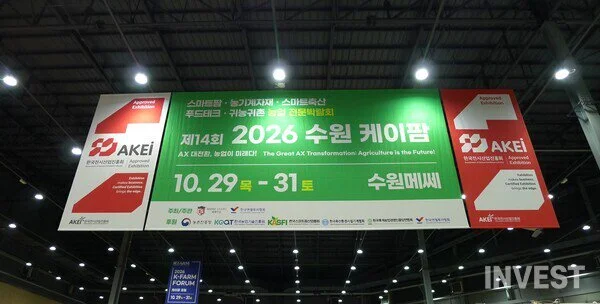
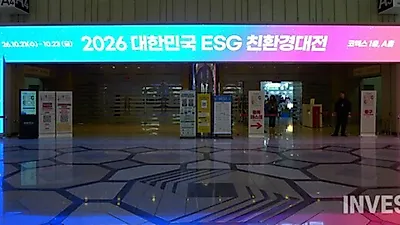
The 14th 2026 Suwon K-FARM was held on October 30 at Suwon Messe in Suwon, Gyeonggi Province. Hosted by the Korea Regional Newspapers Association and managed by Messe Esang, the event was organized to introduce smart agricultural technologies and information necessary for preparing to move to rural areas in response to a weakening farming foundation caused by population decline and aging, as well as climate change. The organizers aimed to create a business platform connecting urban residents in the metropolitan area with agricultural sites, while participating companies showcased products and technologies ready for immediate field implementation to secure actual users.
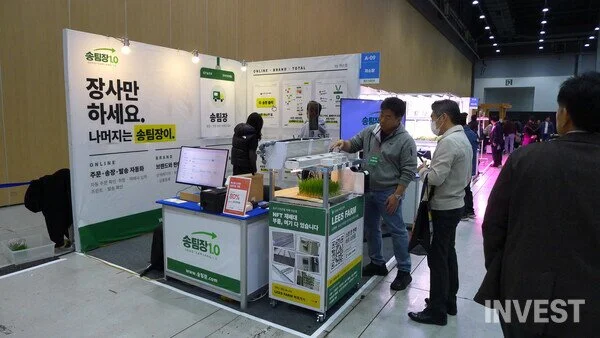
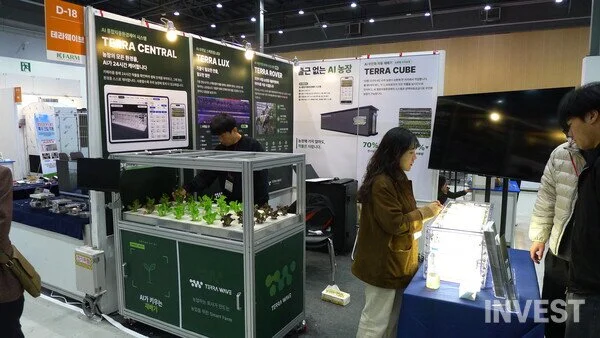
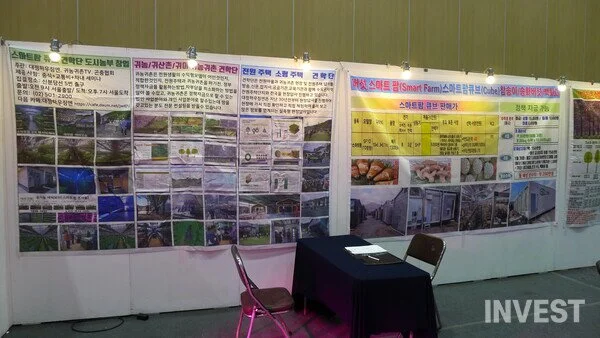
The exhibition booths were organized around smart agriculture and rural settlement. Rather than large-scale automation facilities, the main walkways were filled with small-scale smart farm modules and container-cube cultivation systems designed to reduce the burden of initial capital and farmland acquisition. In particular, visitors flocked to enclosed cultivation solutions targeting high-income crops such as mushrooms and barley sprouts, as well as consultation areas providing guidance on the procedures for moving to rural areas. Visitors assessed the feasibility of settlement by checking the initial costs of rural settlement, the electricity required for facility operation, and methods for procuring materials.
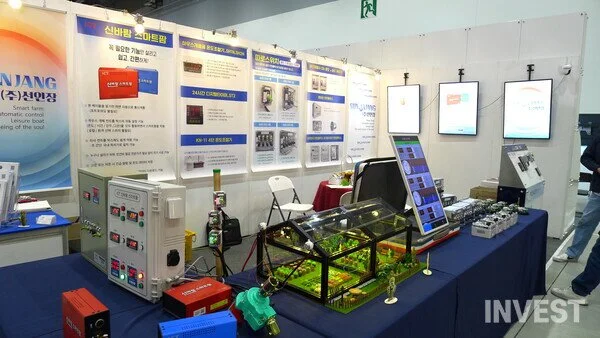
Alongside small-scale cultivation systems, practical products and mass-produced control technologies that could be immediately introduced to farms were placed throughout the exhibition booths. Instead of complex and expensive equipment, the displays mainly featured temperature controllers for greenhouse opening and closing, digital timers linked to small distribution boards, and standalone temperature and humidity sensors that can be used to reduce labor costs and minimize equipment failures in the field. Software for simple order and invoice automation for online distribution and small-scale plant cultivation kits were also introduced as tools for small-scale independent farmers and solo agricultural entrepreneurs. These products and technologies, emphasizing field applicability, were evaluated as viable alternatives for novice farmers who find it difficult to make large-scale capital investments.
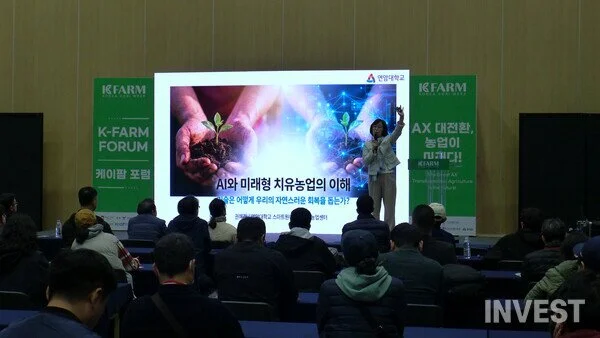
Seminars and forums within the venue were filled with middle-aged individuals preparing for farming after retirement and prospective entrepreneurs considering agriculture-based startups. Participants meticulously recorded presentations regarding the effectiveness of government support policies, methods for raising initial facility investment funds, net profit structures by crop, and ways to secure sales channels. Questions focused on actual facility operating costs, such as energy expenses and distribution margin structures, rather than abstract future outlooks. Attendees approached agriculture not merely as a means of rural living, but as a business requiring the calculation of break-even points.
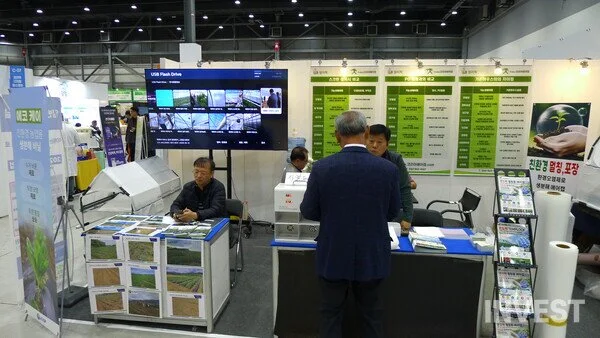
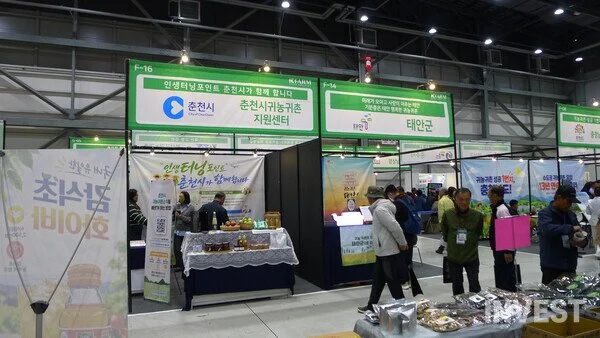
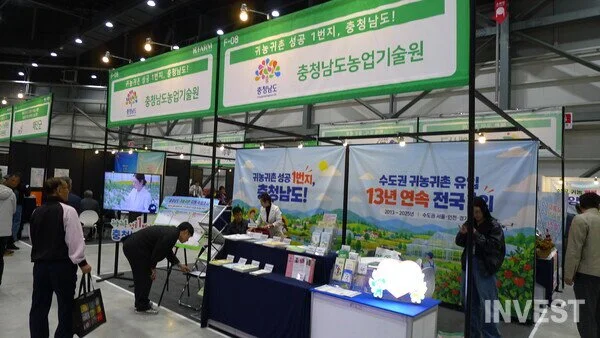
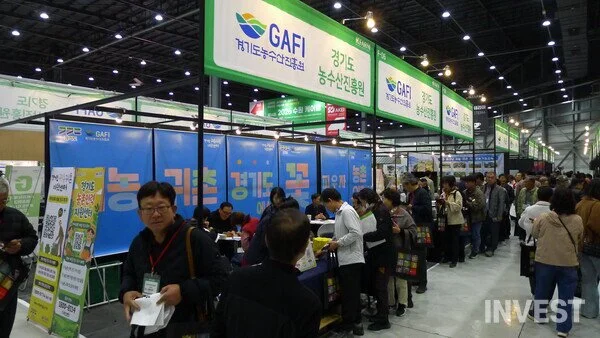
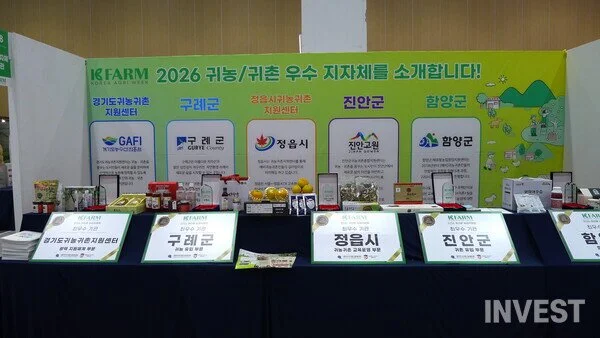
Activities by local governments to attract people returning to farming and rural life in response to population decline and the crisis of regional extinction were also notable. Local governments and related agencies, including the Gyeonggi Agro-Fisheries Promotion Agency, South Chungcheong, Chuncheon City, Taean County, Gurye County, Jeongeup City, Jinan County, and Hamyang County, set up large-scale promotion halls in one part of the exhibition hall to announce settlement support measures for youth and urban residents. Each local government conducted in-depth 1-on-1 consultations, providing information on housing support linked to vacant houses, initial settlement funds for returning to farming, and customized farming mentoring programs. At the consultation sites, the efforts of local governments to supplement the farming workforce and respond to regional extinction by attracting urban residents from the metropolitan area could be confirmed.
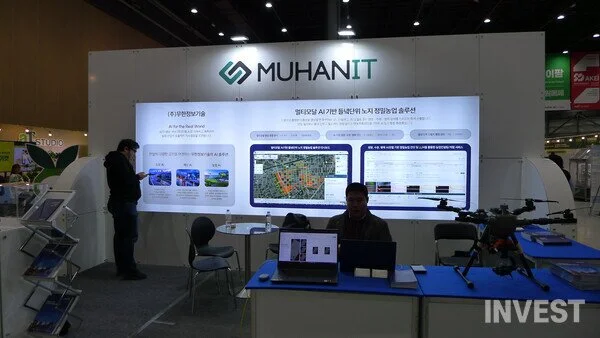
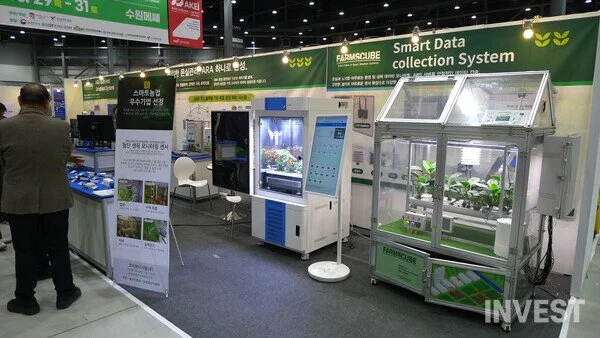
In the technology exhibition combining agriculture and artificial intelligence (AI), equipment and systems used for crop data collection and analysis could be observed. Specialized companies, such as Korea Digital, which exhibited a plant growth sensor monitoring system, demonstrated technology that controls the greenhouse environment by collecting minute response data from crops. This system collects data by linking equipment that measures biological indicators, such as leaf temperature, sap flow, photosynthetically active radiation (PAR), and plant impedance, with a cloud server.
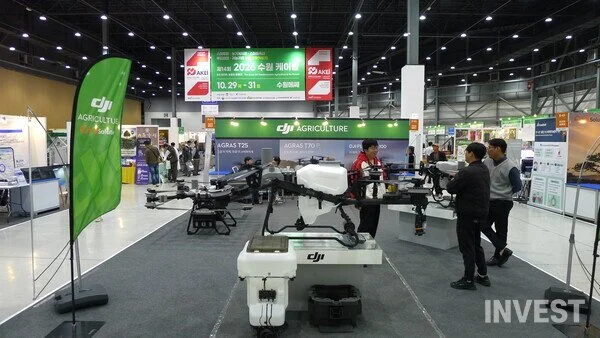
At the DJI agricultural spraying drone booth, the scope of drone application in agricultural sites was discussed along with the lack of domestic technology as a challenge. DJI placed its latest agricultural aircraft, such as the T70P and T25, which are capable of large-capacity liquid and granular spraying, at the forefront and introduced technologies to increase agricultural productivity. On-site, interest was focused on flight control technology and data mapping performance that can be applied to large farmlands. However, the fact that the core hardware and platforms of the large agricultural drone market are concentrated in products from specific foreign companies was pointed out as an area where the competitiveness of domestic AgriTech technology needs to be strengthened.
The affordable equipment introduced at this exhibition and the questions from visitors regarding costs and profits showed that agricultural startups and early-stage companies must examine both the field suitability and cost-efficiency of their products. For early-stage companies preparing for farming entrepreneurship and technology startups, it is important to not only develop complex and expensive advanced technologies but also to discover products and services that solve actual problems for farms, such as reducing labor costs, improving energy cost efficiency, and automating distribution. Planning affordable packages that can be linked with the settlement support policies of local governments and considering ways to collect opinions from agricultural workers at exhibitions to use for Proof of Concept (PoC) are also tasks to be reviewed.
Covers Careers & Events for INVEST NEWS GLOBAL, and also writes about Education & Events.
Comments 0
Comments are currently disabled.