BIOPLUS-INTERPHEX KOREA 2026 showcases AI drug development, CDMO, and bio-manufacturing technologies
The BIOPLUS-INTERPHEX KOREA 2026 (BIX 2026) exhibition was held at COEX in Seoul, bringing together global pharmaceutical and biotech companies to discuss technical cooperation and market expansion. The event highlighted Korea's role as a global bio-production hub and a bridge for technological development amidst intensifying competition in advanced bio-manufacturing.
BIOPLUS-INTERPHEX KOREA 2026 (BIX 2026) was held for three days from October 28 to 30 at COEX in Samseong-dong, Gangnam-gu, Seoul. Sponsored by the Ministry of Trade, Industry and Energy and co-hosted by the Korea Biotechnology Industry Organization and Reed Exhibitions Korea, the event gathered domestic and international pharmaceutical and biotech companies, academia, research institutes, and investment institutions to introduce latest technologies and discuss business cooperation strategies.
Amidst the restructuring of global supply chains and intensifying competition in advanced bio-manufacturing, the organizers stated their intention to position Korea as a global bio-production hub and a bridge for technological development. Overseas companies sought to enter the Korean market and discover partners in the Asia-Pacific region, while R&D companies looked for opportunities in technology commercialization and licensing cooperation.
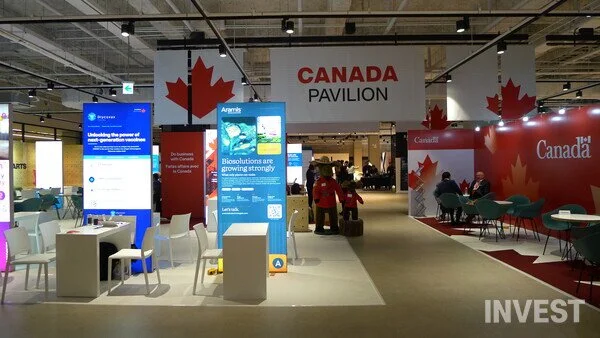
The exhibition floor featured national pavilions, including the CANADA PAVILION, alongside booths from global bio-specialized companies. At the CANADA PAVILION, companies such as Glycovax Pharma and Aramis Biotechnologies, which deal with next-generation vaccine adjuvants and plant-based protein expression platforms, set up individual booths to explore possibilities for entering the Korean market and open innovation cooperation. Biotech companies from North America and Europe used the national pavilion as a base to discuss not only the supply of finished products but also partnerships for the joint validation of next-generation technologies and the establishment of commercialization pipelines.
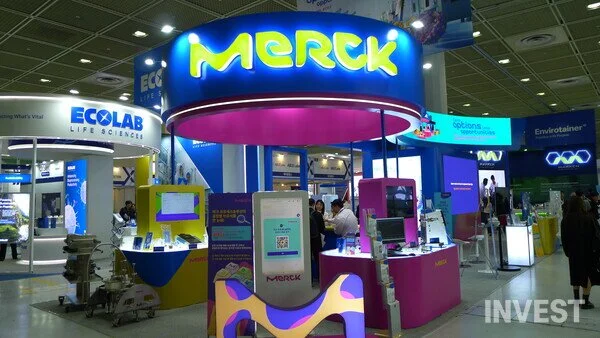
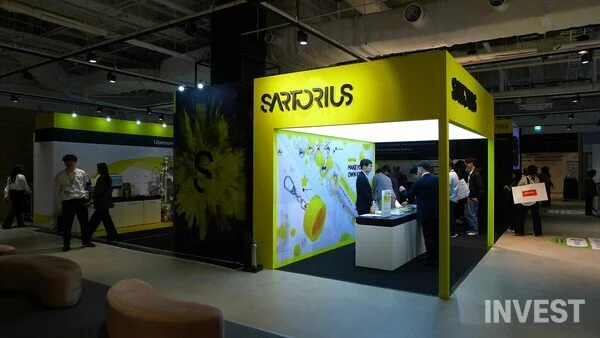
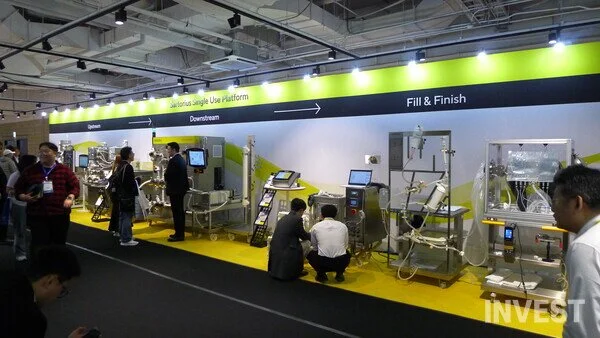
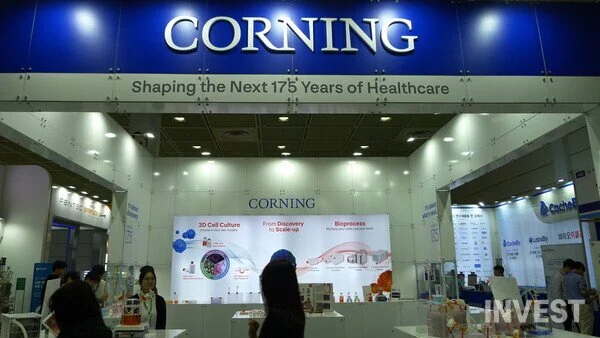
German companies Merck and Sartorius, which supply bio-raw materials and process solutions, prepared large-scale standalone exhibition halls. Sartorius unveiled its full-cycle lineup of equipment, consumables, and services, ranging from upstream cultivation to downstream purification and quality validation services. Merck introduced customized solutions through process-step brochures and digital kiosks, with on-site engineers providing detailed technical demonstrations regarding process design optimization. The continuous participation of these global companies demonstrated that as domestic bio-manufacturing facilities expand rapidly, Korea is establishing itself as a key strategic market for global suppliers.
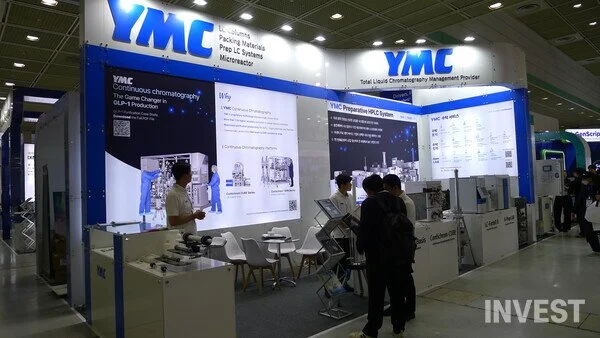
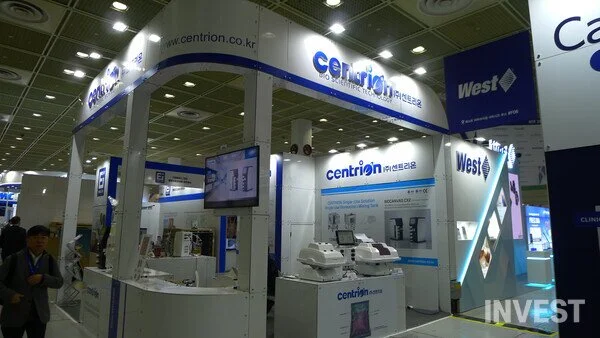
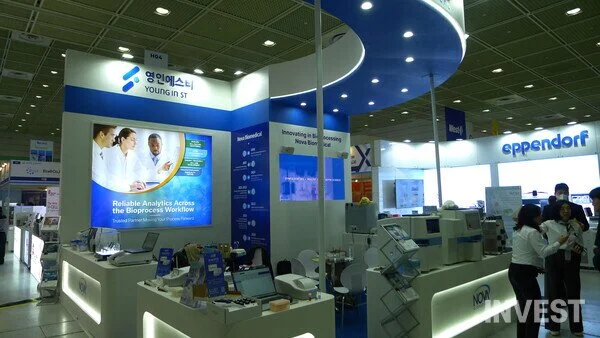
Alongside the exhibitions of global corporations, the separation, purification, and analysis technologies of mid-sized domestic bio, analytical equipment, and fine chemical companies were also on display. YOUNG IN ST exhibited physical models of real-time cell culture monitoring systems and precision liquid handling equipment used throughout the bioprocess, including Nova Biomedical analytical equipment. YMC demonstrated continuous chromatography and precision preparative HPLC systems, which are considered core technologies for the mass production process of GLP-1 obesity treatments.
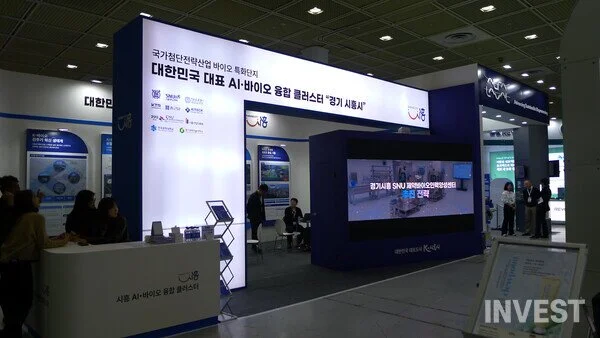
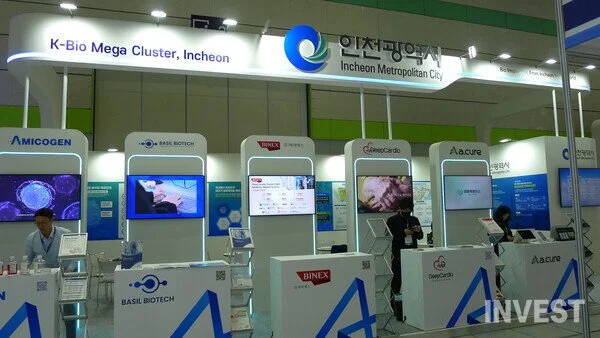
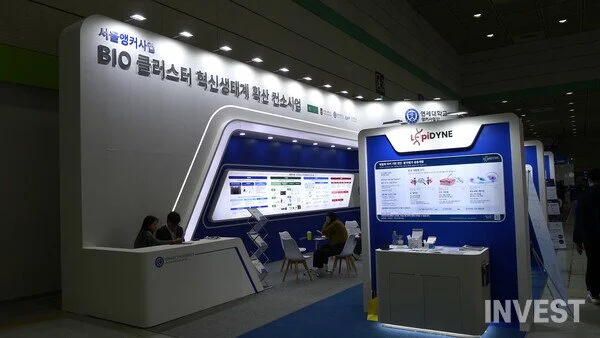
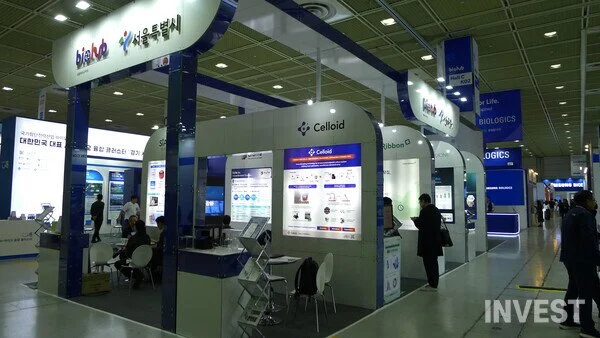
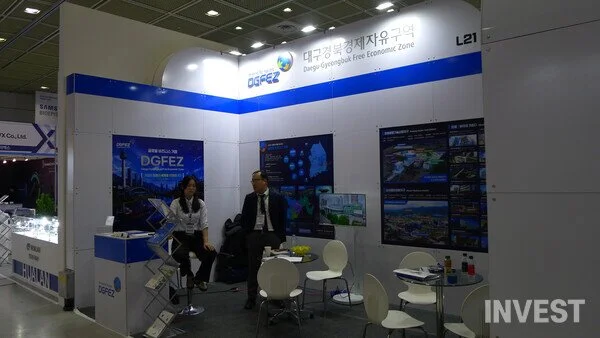
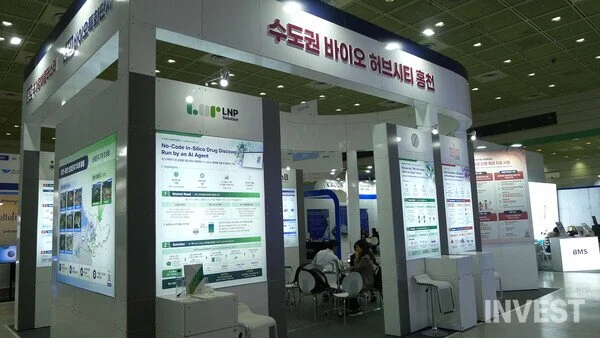
The competition among local governments to attract national advanced strategic industry bio-specialized complexes and establish clusters was also a major point of interest at this event. Siheung City presented its vision of a "Korea's representative AI·Bio convergence cluster" in connection with Seoul National University Siheung Campus, Seoul National University Hospital, and Gyeonggi Free Economic Zone Authority at the front of its booth. It also provided detailed guidance on its strategies for creating a full-cycle innovation ecosystem and promoting a pharmaceutical-bio human resources training center.
Various regions, such as the biopharmaceutical manufacturing hub based in Songdo and Yeongjong in Incheon, the Daegu High-Tech Medical Complex, and the Hongcheon antibody drug new drug cluster, stepped forward to attract companies by presenting research infrastructure, tax benefits, and support measures for industry-academic-research cooperation. The promotional halls for each local government reflected policy directions aimed at decentralizing the value chain concentrated in the metropolitan area and combining regional R&D capabilities.
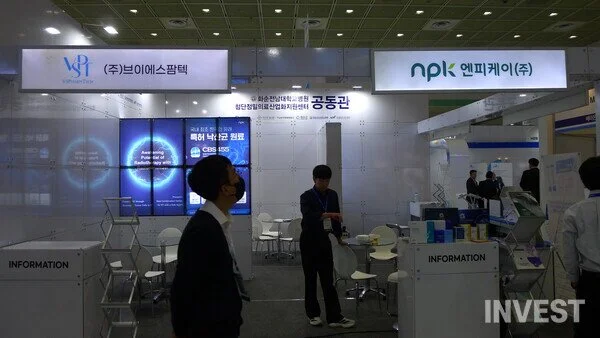
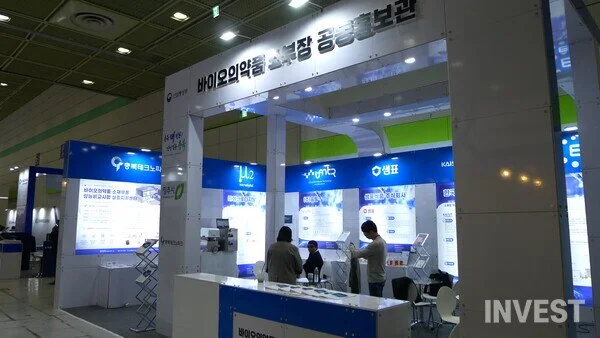
Early-stage bio startups also occupied a section of the exhibition hall. The startup exhibition space, including the Seoul Bio Hub joint pavilion, featured participants such as Celloid, which implemented an automated 3D organoid culture system based on nanofiber microwells, and BioMe, a microbiome-based drug developer. Early-stage companies that find it difficult to build large-scale infrastructure themselves presented specialized solutions to solve bottlenecks in specific processes—such as long-term organoid modeling, target screening platforms, and high-efficiency cell culture materials—and continued meetings with representatives from large corporations and venture capital (VC) firms.
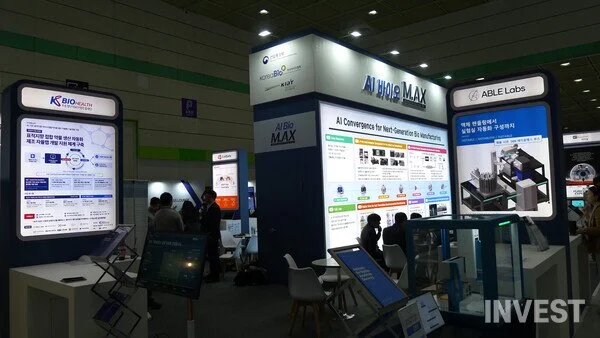
The convergence of bio and artificial intelligence (AI) was also a major topic at the exhibition. The exhibition area, carrying the slogan 'Discover the Next Biotechnology', saw participation from Cheiron, Insilico Medicine, Basgenbio, and Savvy Robotics.
The exhibition content covered the expanding scope of AI, moving beyond statistical analysis to protein structure/binding prediction and De Novo drug candidate design. Autonomous laboratory equipment based on Physical AI, where robotic arms and smart sensors autonomously perform culture and dispensing processes, was also introduced. At the scene, as the actual equipment operated, visitors could observe the process of connecting AI analysis with experimental automation.
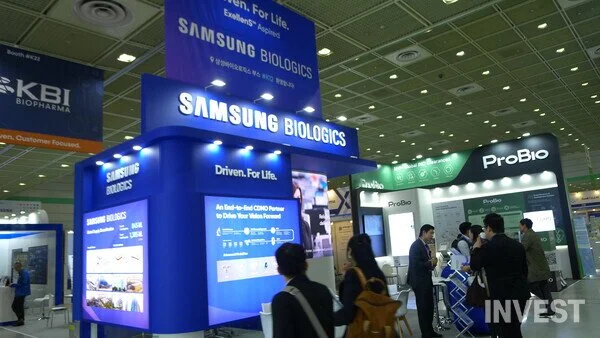
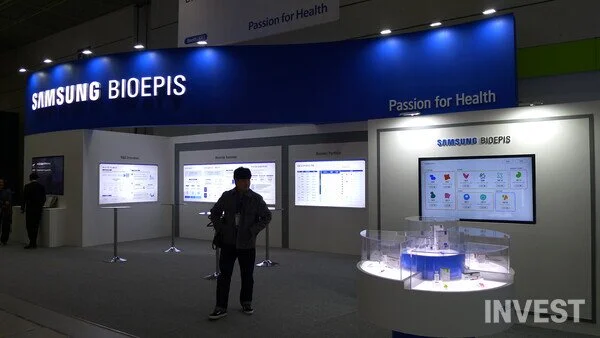
At the booths of Samsung Biologics and Samsung Bioepis, they respectively introduced their Contract Development and Manufacturing Organization (CDMO) technological capabilities and biosimilar business status. Samsung Biologics presented its world-scale production facilities and end-to-end CDMO service capabilities through digital displays, while explaining its customized multi-product production and quality control standards. Samsung Bioepis revealed its global authorization/approval status and next-generation pipeline, centered on its portfolio of autoimmune disease and anti-cancer treatments.
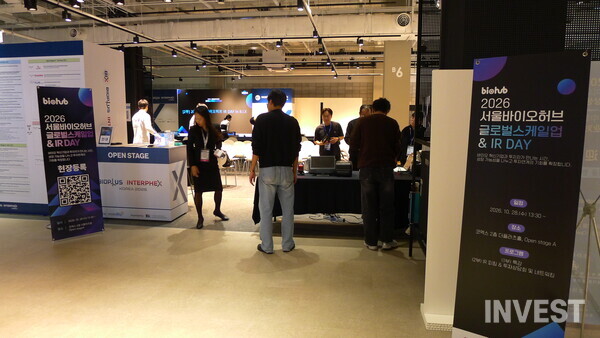
For early-stage bio startups, this exhibition was an opportunity to encounter potential customers and targets for Proof of Concept (PoC) cooperation, such as global equipment companies, CDMO companies, and local government clusters, all in one place. To turn meetings with these entities into business cooperation, it is necessary to present not only the excellence of the technology but also quantitative data on how much time and cost can be reduced in existing biopharmaceutical manufacturing processes (CMC) or analytical workflows. During the consultation process, one must examine whether their own technology aligns with the partner company's pipeline and identify the data standards required for regulatory approval. To link exhibition participation to market settlement and investment attraction, it is important to go beyond simple booth promotion or exchanging business cards and engage in the process of discussing specific cooperation terms.
Covers Careers & Events for INVEST NEWS GLOBAL, and also writes about Education & Events.
Comments 0
Comments are currently disabled.