G-SUMMIT 2026 connects Gyeonggi startups with 160 global venture capitalists
The G-SUMMIT 2026 was held at the Suwon Convention Center to connect Gyeonggi Province's advanced technology clusters, including Pangyo, with global markets and investors.
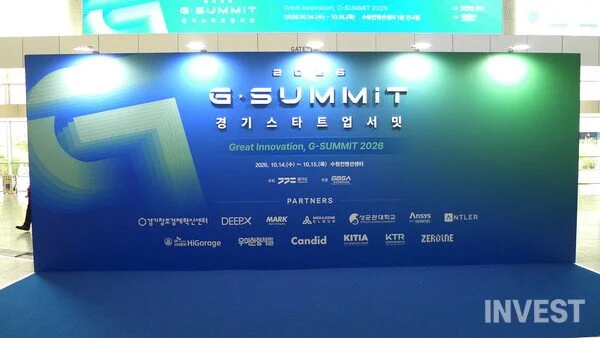
G-SUMMIT 2026 was held on October 14–15 at the Suwon Convention Center to link regional startups with international markets. The event facilitated 480 one-on-one consultations between companies and approximately 160 global venture capital associates through a pre-matching system.
G-SUMMIT 2026 was held on October 14–15 at the first-floor exhibition hall of the Suwon Convention Center in Suwon City, Gyeonggi Province. The event was hosted by Gyeonggi Province and organized by the Gyeonggido Business and Science Accelerator (GBSA) to consolidate dispersed startup resources in the region and connect the technologies and companies of advanced clusters, such as Pangyo, to external markets.
Launched in 2024, G-SUMMIT 2026 was designed to establish a global business platform that supports innovative startups in attracting investment, conducting technology demonstrations, and expanding into overseas markets by connecting them with domestic and international investment institutions as well as large and medium-sized enterprises.
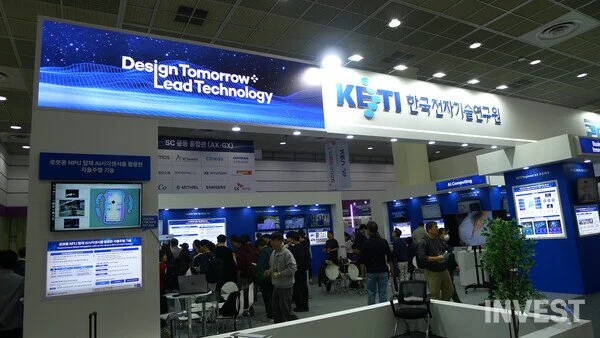
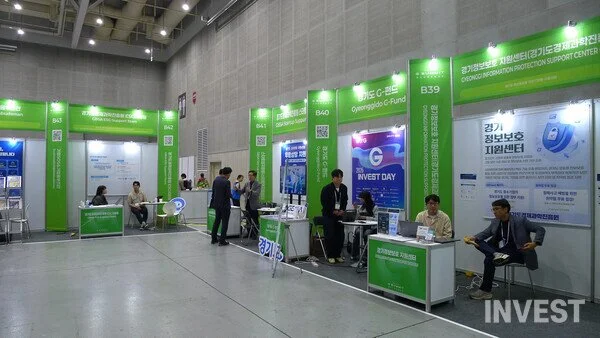
Affiliated organizations under Gyeonggi Province set up booths within the exhibition hall to provide guidance on step-by-step support programs ranging from early-stage startups to the leap-up stage. The Gyeonggido Business and Science Accelerator ESG Support Team, the Business SOS and Ombudsman Support Center, and the Gyeonggi Information Security Support Center conducted security vulnerability inspections and provided customized administrative support consultations for small and medium-sized ventures.
A dedicated consultation booth for the Gyeonggi G-Fund, established to support startups facing difficulties in raising capital, explained follow-up investment procedures linked with public fund-of-funds. The event focused on resolving difficulties faced by early-stage startup teams by placing consultation windows for administrative support, regulatory resolution, security certification, and policy finance in one location.
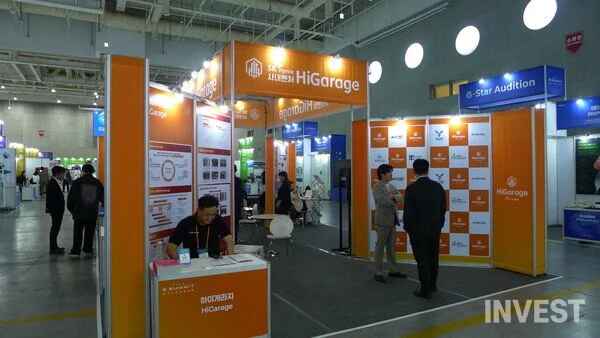
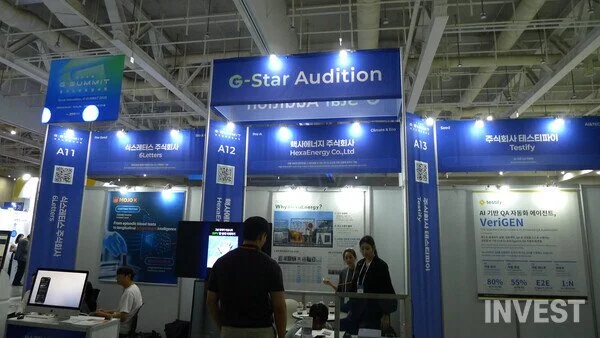
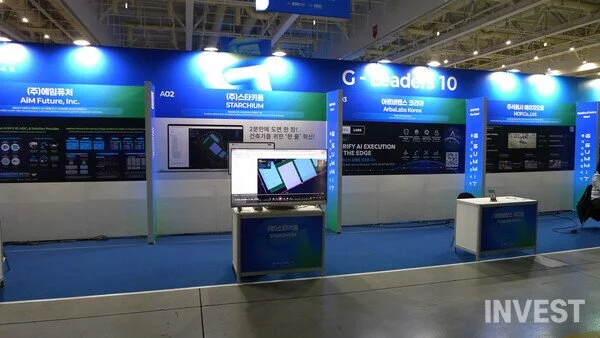
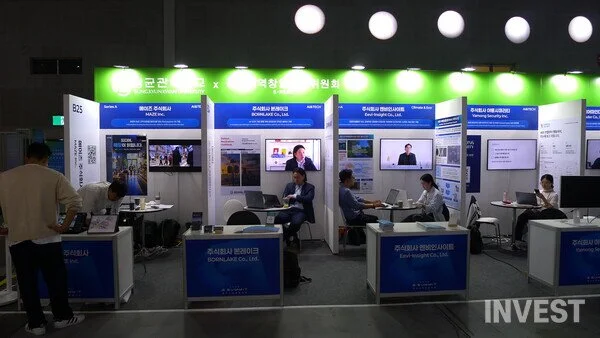
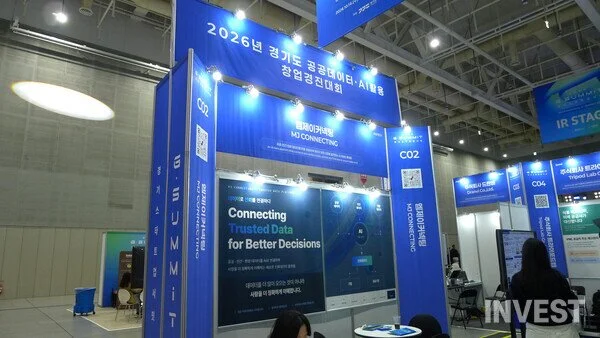
Booths introducing the business achievements of university business incubation centers and large corporate in-house venture programs were located at the front of the exhibition hall. Companies following various entrepreneurial paths—from those receiving research and business incubation support from universities to startups originating from large corporate in-house ventures—showcased their technologies and business models.
At a joint booth formed by Sungkyunkwan University and the Gyeonggi Regional Business Incubation Center Association, companies including Maze, Bonlake, NV Insight, and Yamong Security shared empirical research results accumulated through campus research and business incubation processes. At the HiGarage booth, an in-house venture nurturing program by SK hynix, teams that spun off based on internal technological assets introduced their business models and monitored on-site reactions.
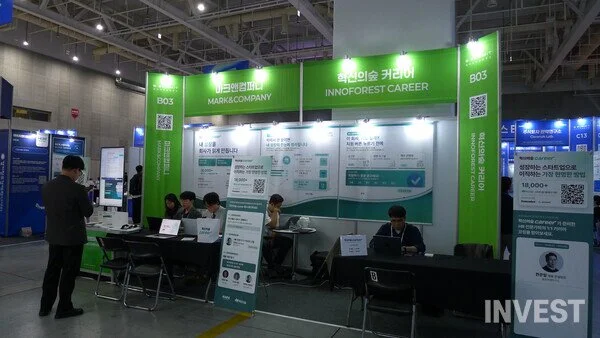
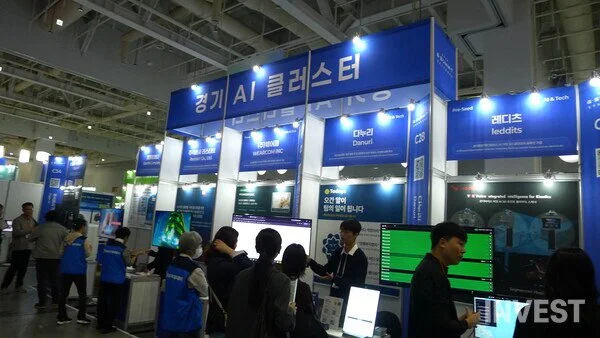
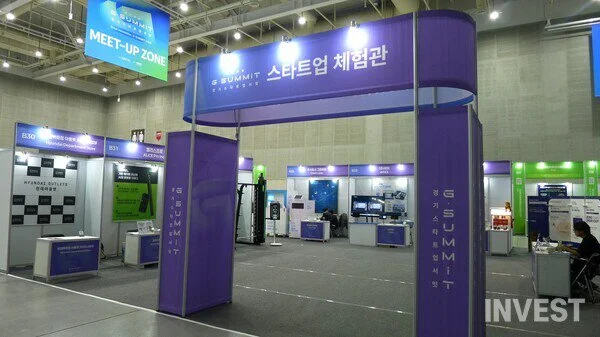
The exhibition areas were organized by business sectors such as Artificial Intelligence (AI), Climate & Eco, and platform services rather than by administrative districts. At the Gyeonggi AI Cluster dedicated booth, Danuri, Wearcom, Redits, and Restart gathered to demonstrate on-device vision, 3D spatial data analysis, and task management automation solutions.
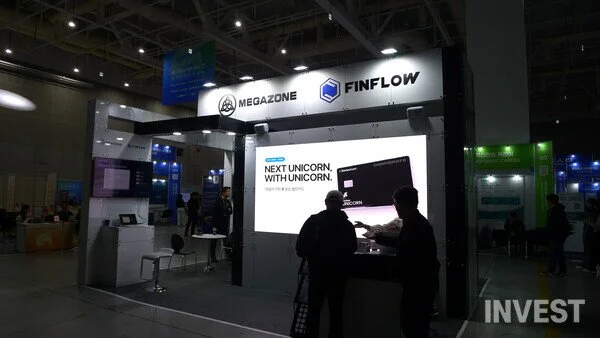
Booths related to the software ecosystem also occupied a large area. Megazone and Finflow jointly presented customized financial infrastructure solutions for startups, while the Innovation Forest Career booth by Mark & Company provided HR consulting based on corporate data. Each booth displayed the investment stage, ranging from Seed to Pre-A and Series A, allowing visitors and buyers to intuitively identify the investment stage of each company.
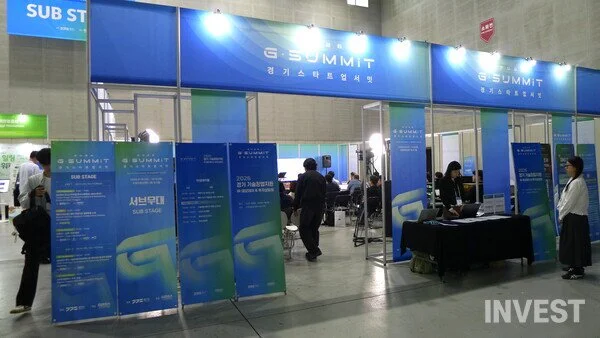
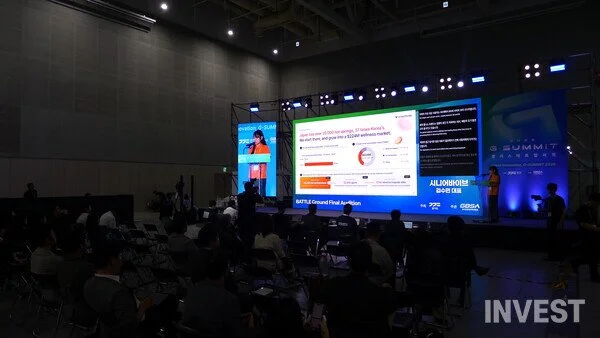
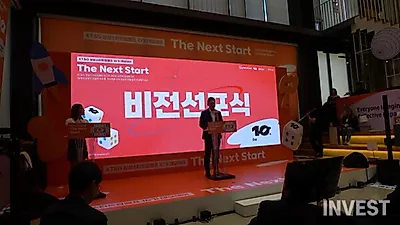
Alongside the technology exhibitions, presentation halls deployed throughout the venue hosted various scales of IR auditions and investment briefings simultaneously. On the main stage, during the 'Battleground Final Audition', representatives from finalists including Senior Vibe presented their plans for entering domestic and international markets. Participants in the 'G-Star Audition' stage and its connected booths, such as Six Letters, Hexa Energy, and Testify, explained their technical differentiation and commercialization schedules to the judging panel. At the SUB STAGE located on one side of the exhibition hall, the Pangyo Startup Investment Networking Event and the Gyeonggi Tech Startup Support IR Demo Day continued in scheduled time slots. The schedule proceeded in a manner where in-depth Q&A sessions followed the corporate presentations.
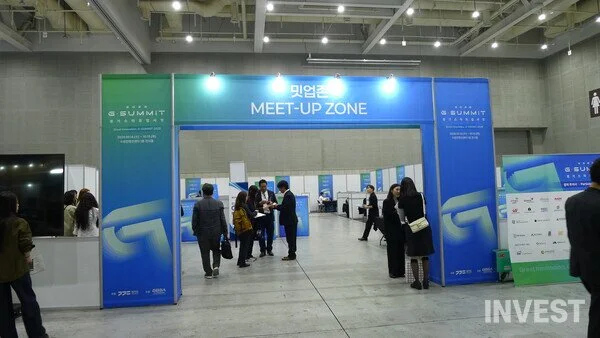
A large-scale, independent Meet-up Zone for investment consultations was also established inside the exhibition hall. There were as many as 480 one-on-one in-depth on-site consultations between startups and investors confirmed through a pre-matching system, which operated throughout the event period. Approximately 160 global venture capital (VC) associates, including Plug and Play, Laquesta, SBI Investment, and Inmotion Ventures, visited the site to meet with domestic technology companies. It was also notable to see investors touring the booths and calling for working-level staff of companies they were interested in to coordinate impromptu meetings. Some conversations went beyond company introductions and exchanging contact information to reviewing whether to initiate actual investment reviews.
Robots deployed for visitor guidance and venue environment management were also a major attraction at the scene. Moving beyond merely displaying models inside booths, autonomous robots moved through the exhibition hall aisles to handle wayfinding and introduce the event schedule. Cleaning robots patrolled various parts of the venue to collect waste, and a humanoid robot delivered a symbolic object on the opening ceremony stage.
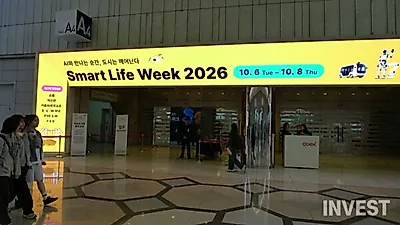
However, the structure where startup infrastructure and major investors are concentrated in certain metropolitan areas such as Pangyo and Gangnam in the capital region, or Busan as a hub in the southeastern region, along with the accessibility of the venue, was a point that required separate consideration. As most innovative technology startups are concentrated in the capital region, the technical capabilities of the participating companies were highly evaluated, but criticisms were also raised that the burden of traveling to the venue located in Gwanggyo, Suwon, limits the influx of visitors from other wide-area regions and some buyers. Compared to existing startup events held in downtown Seoul or the Gangnam area, public transportation accessibility and travel time were mentioned as burden factors. Aside from the intention of local governments to utilize regional hub spaces, there were reactions that accessibility should be supplemented so that stakeholders in the national and global startup ecosystem can visit more easily.
Covers Careers & Events for INVEST NEWS GLOBAL, and also writes about Education & Events.
Comments 0
Comments are currently disabled.